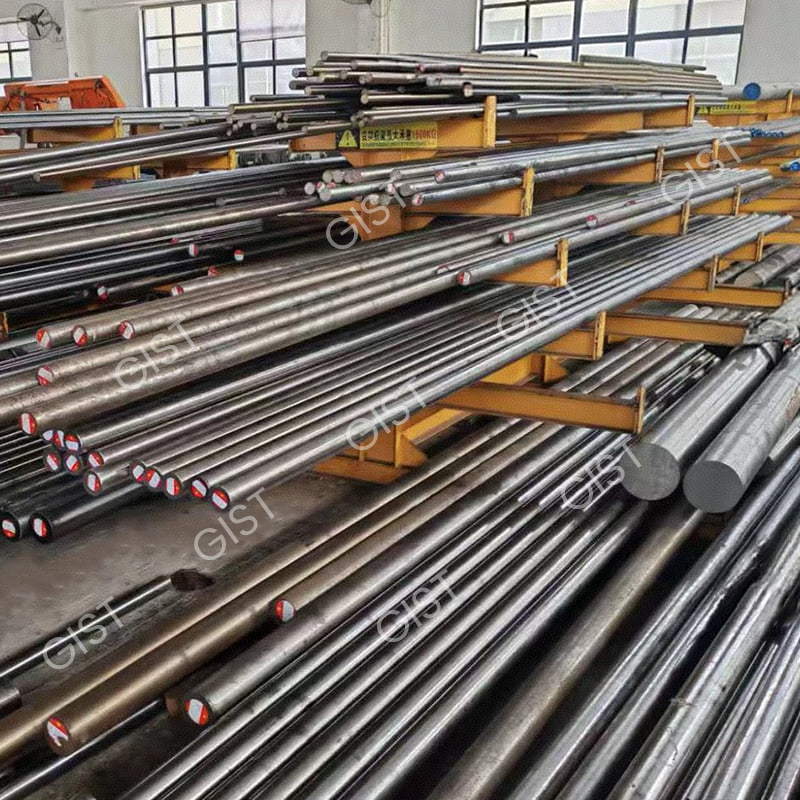
Ruota ceramica CBN Macinatura Macchina senza centro
Cat:Macchina senza centro
È utilizzato principalmente per la macinazione di precisione dei cerchi esterni di steli di ingresso del motore e valvola di scarico, cuscinetti e ...
Di più
Choosing the right valve grinding machine is one of the most consequential decisions a maintenance workshop, engine rebuild facility, or industrial manufacturer can make. The wrong choice leads to poor surface finishes, premature valve failure, costly downtime, and wasted investment. The right machine — whether a CNC valve grinding machine, a portable valve grinding machine, or a valve seat grinding machine — delivers micron-level precision, consistent repeatability, and long-term return on investment.
Before committing to any purchase, buyers should evaluate ten critical factors: grinding precision and tolerance capability, spindle configuration, automation level, compatibility with valve types and sizes, grinding wheel specifications, coolant systems, machine rigidity and build quality, control system sophistication, after-sales support, and total cost of ownership. This guide walks through each factor with concrete data and practical examples drawn from real industrial applications.
Based on procurement surveys across industrial valve maintenance facilities, grinding precision is overwhelmingly the top purchase criterion at 92%, reflecting the critical role of dimensional accuracy in valve sealing performance. CNC automation level ranks second at 80%, underscoring the industry's shift toward automatic valve grinding machines that reduce operator dependency and improve cycle times. After-sales support — a frequently underestimated factor — ranks fourth at 68%, particularly important for facilities that rely on the machine as a production bottleneck asset and cannot afford extended downtime waiting for technical assistance or spare parts.
The most fundamental evaluation criterion for any precision valve grinding machine is its achievable dimensional tolerance. Valve seats and faces must be ground to angularity tolerances typically within ±0.002mm–0.005mm and surface roughness values of Ra 0.2–0.4 µm for optimal sealing. Engines operating at high cylinder pressures — such as those in locomotives, marine vessels, and mining equipment — demand even tighter tolerances to prevent combustion gas bypass.
A well-engineered CNC valve seat grinding machine typically achieves concentricity between the valve seat and stem guide within 0.01mm, which is unachievable with manual or semi-automatic machines. When evaluating specifications, look for the machine's stated repeatability (the ability to reproduce the same result across multiple parts) rather than just single-pass accuracy. Repeatability specifications of ±0.003mm or better are the benchmark for high-production environments processing hundreds of valves per shift.
| Application | Seat Angle Tolerance | Surface Roughness (Ra) | Concentricity |
|---|---|---|---|
| Passenger Vehicle Engine | ±0.005mm | Ra 0.4 µm | 0.02mm |
| Commercial Vehicle / Truck | ±0.003mm | Ra 0.3 µm | 0.015mm |
| Marine / Ship Engine | ±0.002mm | Ra 0.2 µm | 0.01mm |
| Locomotive / Rail Engine | ±0.002mm | Ra 0.2 µm | 0.01mm |
| Mining / Generator Set | ±0.003mm | Ra 0.25 µm | 0.012mm |
The automation level of a CNC valve grinding machine directly determines throughput, operator skill requirements, and product consistency. Machines span a wide spectrum — from manually operated bench grinders with basic motor control, through semi-automatic machines with programmable depth stops, to fully automatic valve grinding machines with closed-loop feedback, automatic workpiece loading, in-process gauging, and self-dressing grinding wheel management.
A modern CNC valve repair machine with full axis control typically operates under PLC or dedicated CNC system control, storing grinding programs for dozens or hundreds of valve specifications. Changeover between valve types can be accomplished in under three minutes through program recall, versus 20–45 minutes of manual setup on conventional machines. For high-mix production environments — such as overhaul shops servicing multiple engine families — this flexibility is a decisive advantage.
Evaluate the control interface for ease of programming, availability of diagnostic feedback, and compatibility with Industry 4.0 data collection. Advanced industrial valve grinding machines can log grinding force, spindle load, and dimensional output for quality traceability — a requirement increasingly demanded by aerospace, railway, and power generation customers.
The column chart clearly illustrates the productivity gap between manual, semi-automatic, and fully automated CNC valve grinding machines. A manual machine typically processes around 6 valves per hour, while a semi-automatic system more than doubles that to 16 valves per hour through programmable cycle control. A fully automatic CNC valve seat grinding machine with robotic loading and in-process gauging can achieve approximately 38 valves per hour — a more than sixfold improvement over manual methods. For high-volume production facilities processing tens of thousands of valves annually, this throughput difference translates directly into labor cost savings, shorter lead times, and significantly lower per-unit processing costs.
A valve grinding machine must be compatible with the full range of valve sizes, geometries, and materials your operation services. Stem diameters in industrial engines range from as small as 4mm (small gasoline engines) to 30mm or more (large marine and locomotive engines). Seat angles vary from 30° to 60°, with 45° being the most common. Valve face widths and seat widths also vary significantly by application.
Before purchasing, map your complete valve inventory against the machine's stated working ranges. Critical specifications to verify include: minimum and maximum stem diameter capacity, head diameter range, maximum valve length, and adjustable seat angle range. A machine that cannot accommodate your largest or smallest valves forces you to maintain multiple machines or subcontract work — both costly outcomes.
Material compatibility is equally important. High-alloy valves used in marine, power generation, and heavy-duty commercial vehicle engines — including Inconel, Nimonic, and stellite-faced variants — require specific grinding wheel grades and controlled infeed rates that only properly specified machines can deliver without burning or microcracking the valve surface.
The grinding wheel is the cutting tool in any valve surface grinding machine — its specification determines the achievable surface finish, material removal rate, and thermal impact on the workpiece. Wheels are specified by abrasive type (aluminum oxide for steel valves, CBN for hardened and high-alloy valves), grain size, bond type, and hardness grade.
CBN (Cubic Boron Nitride) wheels, though higher in initial cost, last 50–100 times longer than conventional aluminum oxide wheels and maintain their profile geometry for far more parts before requiring dressing. For high-production industrial valve grinding machines, the reduction in wheel change downtime and the consistency of wheel profile make CBN the economically superior choice despite the higher unit cost.
Evaluate whether the machine features an automatic wheel dressing system. Automatic diamond roll or point dressing between cycles maintains the wheel's geometric profile and surface condition without operator intervention, ensuring consistent surface finish across every part in a production run. Machines relying on manual dressing introduce significant variability, particularly across shift changes.
The radar chart compares CNC automatic valve grinding machines versus conventional manual machines across five capability dimensions: precision, throughput, repeatability, flexibility, and automation level. CNC machines (solid blue polygon) substantially outperform manual machines (dashed light blue polygon) across all five dimensions, with the most dramatic gaps in automation, repeatability, and throughput. Manual machines still hold value in low-volume repair shops where flexibility and low capital investment are the primary constraints. However, for any facility processing more than 50 valves per day, the performance advantages of a CNC valve repair machine make it the operationally and economically superior choice over even the medium term.
Machine rigidity is the foundation of dimensional accuracy in any grinding application. Vibration, thermal deformation, and structural deflection under grinding forces all contribute to dimensional error that cannot be corrected by software or operating parameters alone. High-quality valve refacing machines use heavy cast iron or polymer-concrete machine beds with high damping coefficients, precision-ground guideways, and preloaded bearing spindle assemblies.
The grinding spindle is particularly critical. Spindle bearing systems must be capable of operating at high speeds (typically 3,000–6,000 RPM for CBN wheels, 1,500–3,000 RPM for conventional wheels) with radial runout less than 0.001mm. Hydrostatic spindle bearings represent the highest precision option for demanding applications, while angular contact ball bearings are standard in production-grade CNC machines. Always request the manufacturer's spindle runout specification and verification method.
Grinding generates significant heat at the wheel-workpiece contact zone. Without adequate coolant flow, valve surfaces can experience thermal damage — grinding burns, residual tensile stress, and microstructural changes — that compromises fatigue life and sealing performance even when dimensional targets are met. A well-designed coolant system in a valve seat refacing equipment application delivers coolant at the correct flow rate, pressure, and angle to flood the grinding zone and flush away swarf.
Coolant filtration is equally important and frequently overlooked. Contaminated coolant with grinding swarf and abrasive particles reintroduces abrasive material to the grinding zone, causing surface scratches, accelerated wheel wear, and potential workpiece damage. High-quality industrial valve grinding machines incorporate magnetic separators and fine paper or centrifugal filtration systems capable of removing particles down to 10–25 microns.
For portable valve grinding machines used in on-site maintenance scenarios — such as shipboard engine rooms or power plant floors — coolant management requires additional consideration due to confined spaces and limited drainage infrastructure. Evaluate whether the machine's coolant system can be configured for the deployment environment.
The line chart illustrates a clear and significant inverse relationship between coolant flow rate and the resulting surface roughness of ground valve faces. With no coolant (dry grinding), surface roughness averages Ra 0.74 µm — well above the Ra 0.4 µm threshold needed for reliable sealing in most engine applications. Increasing coolant flow to 6 L/min reduces roughness to approximately Ra 0.38 µm, while further increases to 10–12 L/min push roughness down to Ra 0.21–0.22 µm. This data underscores that an adequate, well-directed coolant system is not an optional feature on a valve seat grinding machine — it is a fundamental determinant of workpiece quality, and its specifications should be carefully reviewed before purchase.
The choice between a portable valve grinding machine and a fixed floor-mounted industrial valve maintenance machine depends entirely on where grinding operations must take place. Workshop-based operations processing removed valves benefit from the precision and throughput of fixed, heavy-duty machines. Field service operations — refurbishing large stationary engines in power plants, shipboard propulsion systems, or pipeline compressor stations — require portable equipment capable of in-situ valve seat grinding without removing the cylinder head.
Portable valve seat refacing equipment typically operates on compressed air or electric drives and is designed to mount directly on the cylinder head, grinding valve seats without removing the engine from service infrastructure. While portable machines sacrifice some precision compared to fixed workshop equipment, modern designs achieve Ra 0.4–0.6 µm finishes — adequate for most maintenance overhaul applications.
For operations requiring both capabilities, some manufacturers offer modular systems where the same grinding head can be used in a bench fixture for workshop use or adapted for field deployment. This dual-purpose approach maximizes equipment utilization and reduces total capital investment in tooling.
| Criterion | Fixed CNC Machine | Portable Machine |
|---|---|---|
| Achievable Precision | Ra 0.1–0.3 µm | Ra 0.4–0.8 µm |
| Throughput | High (20–40+ valves/hr) | Low (2–6 seats/hr) |
| Deployment | Workshop only | In-situ field use |
| Automation | Full CNC programmable | Manual / semi-auto |
| Capital Cost | Higher | Lower |
A valve grinding machine manufacturer's after-sales capability is as important as the machine itself, particularly for production-critical applications where downtime directly impacts output and customer commitments. Evaluate the manufacturer's response time commitments for technical support, availability of remote diagnostics, and proximity of regional service personnel.
Spare parts availability deserves particular attention. Consumable components — grinding wheels, collet chucks, dressing diamonds, seals, and bearings — must be readily available with short lead times. Request the manufacturer's spare parts catalog and confirm that critical components are not single-source items that could create supply chain vulnerabilities. Machines with openly specified standard components (using commercially available bearings, drives, and hydraulic components) offer significantly lower long-term maintenance risk than proprietary designs.
Operator training quality directly influences whether a machine's precision potential is realized in practice. Reputable manufacturers provide structured training programs covering both operational and maintenance procedures, along with documentation in the customer's language. Manufacturers who have exported equipment to multiple countries and maintained long-term customer relationships typically have proven, well-developed training curricula.
This donut chart reveals the principal causes of unplanned downtime in valve grinding operations. Spare parts delays account for the largest share at 32%, directly reflecting the importance of selecting a valve grinding machine manufacturer with robust supply chain infrastructure and local spare parts stocking. Operator error at 24% highlights why structured training programs and intuitive control interfaces matter. Grinding wheel wear at 20% underscores the value of machines with automatic wheel dressing and in-process wear compensation — reducing unplanned stops and maintaining consistent output quality throughout each production shift.
Perhaps the most common mistake buyers make is selecting a valve grinding machine based primarily on purchase cost rather than total cost of ownership (TCO). TCO accounts for the full cost of acquiring, operating, and maintaining the machine over its useful life — typically 10–20 years for well-built industrial grinding equipment. Key TCO components include: initial purchase, installation and commissioning, operator training, consumables (grinding wheels, coolant, tooling), scheduled maintenance, unplanned repairs, and end-of-life residual value.
Analysis from industrial equipment users consistently shows that a higher-quality machine with lower consumable consumption and higher reliability can achieve a 30–45% lower 10-year TCO compared to a lower-purchase-cost machine with higher maintenance and consumable demands. CBN wheel-equipped CNC valve seat grinding machines, for instance, may have higher initial tooling costs but dramatically reduce wheel change frequency and associated downtime costs.
Request a detailed TCO analysis from shortlisted machine suppliers, including: expected consumable life per unit of production, mean time between failures (MTBF), scheduled maintenance intervals and costs, and documented case studies from existing customers in similar applications.
This grouped bar chart compares 10-year TCO across four major cost categories for a standard machine (dark blue) versus a premium CNC valve grinding machine (light blue). While the premium machine has a higher initial purchase cost ($57k vs $32k), it generates significantly lower consumable, maintenance, and downtime costs over the machine's life. Consumable costs for the standard machine reach $64k versus $40k for the premium CNC machine — a $24k saving that alone narrows the purchase price gap. When all four categories are summed, the premium machine delivers a lower total 10-year cost in most production scenarios, demonstrating why purchase cost alone is a misleading decision metric.
For customers procuring equipment for regulated industries — power generation, railway, marine, and defense — the manufacturer's quality management certifications are a baseline requirement, not a differentiator. ISO9001:2015 certification for quality management, ISO14001:2015 for environmental management, and ISO45001:2018 for occupational health and safety together provide assurance that the manufacturer's design, production, and quality control processes meet internationally recognized standards.
Beyond system certifications, look for specific product-level quality evidence: documented machine acceptance test procedures, available calibration certificates for key accuracy parameters, and traceability of critical components to their material and manufacturing specifications. Manufacturers who have successfully entered the global procurement systems of multinational industrial companies have typically undergone rigorous supplier qualification audits that provide independent validation of their quality practices.
Recognition as a national high-tech enterprise or specialized-and-sophisticated enterprise by government industrial authorities provides additional independent validation of a manufacturer's technological capability and innovation track record — relevant indicators when evaluating whether the manufacturer's valve repair grinding equipment reflects current best-practice engineering or outdated design approaches.
Jiangsu Gist Technology Co., Ltd. (formerly Dongtai Weifeng Machinery Factory, established 2012) is a professional China CNC Valve Grinding Machine supplier and manufacturer. The company's modern facility, located in Wulie Town, Dongtai City, covers 22 mu (approximately 11,000+ square meters of factory space) with a total investment of 100 million yuan. Groundbreaking began in early 2021 and construction was completed in early 2022, creating one of the most modern valve grinding equipment manufacturing facilities in the region.
The company's high-end intelligent automation equipment serves the fields of locomotives, generator sets, mining machinery, commercial vehicles, and marine engines. It has established long-term cooperation with multinational companies including Germany MAHLE and the United States EATON, and has been included in their global procurement systems. Equipment has been exported to more than 20 countries and regions including Germany, Japan, Turkey, and Iran.
Jiangsu Gist Technology holds more than 10 invention patents and over 100 utility model patents, was awarded National High-Tech Enterprise status in 2022, and recognized as a Specialized and Sophisticated Enterprise in 2024. The company is certified to ISO9001:2015, ISO14001:2015, and ISO45001:2018 standards, and welcomes domestic and international customers to visit for consultation and partnership discussions.
Q1. What is a CNC valve grinding machine?
A CNC valve grinding machine is computer-numerically-controlled equipment designed to grind valve faces and valve seats to precise geometric and surface finish specifications. It uses programmed axis movements to control grinding depth, feed rate, and dressing cycles, ensuring consistent results across high-volume production without manual operator intervention on each part.
Q2. How does a CNC valve grinding machine work?
The valve is loaded into a precision collet or chuck that centers it on its stem axis. A rotating grinding wheel, precisely dressed to the required seat angle, is fed into contact with the valve face or seat under CNC control. The machine executes programmed roughing and finishing passes, then retracts automatically. In-process gauging may measure the result and trigger additional passes if dimensions are outside tolerance.
Q3. What types of valves can be ground using CNC machines?
CNC valve grinding machines can process intake and exhaust valves for automotive, commercial vehicle, locomotive, marine, generator set, and mining machinery engines. They handle a broad range of materials including carbon steel, stainless steel, Inconel, Nimonic alloys, and stellite-faced valves, as well as multiple head geometries including flat, tulip, and sodium-cooled hollow-stem valve configurations.
Q4. Why is valve seat grinding important?
Valve seat grinding restores the precise angular sealing surface between the valve and cylinder head seat insert. Over time, thermal cycling, combustion pressure, and wear cause seat distortion, pitting, and recession. A properly ground valve seat ensures a gas-tight seal that prevents combustion blowby, maintains compression pressure, enables correct valve heat transfer to the head, and restores engine power and efficiency to specification levels.
Q5. What is the difference between valve grinding and valve lapping?
Valve grinding uses an abrasive wheel to machine the valve face or seat to a precise angle and surface finish, removing material rapidly and correcting geometric errors. Valve lapping uses a fine abrasive compound applied between the valve face and seat as they are rotated together, removing very small amounts of material to improve contact conformance. Grinding corrects geometry; lapping refines the contact seal. In modern CNC processes, correct grinding typically makes lapping unnecessary for production applications.
Q6. How do I choose between a portable and a fixed valve grinding machine?
Choose a fixed CNC valve seat grinding machine if your operation is workshop-based, processes high volumes, and demands the highest dimensional accuracy. Choose a portable machine if you perform in-situ maintenance on stationary engines — such as marine, power plant, or pipeline applications — where disassembly and transport of cylinder heads is impractical. Some operations benefit from both configurations serving different maintenance scenarios.
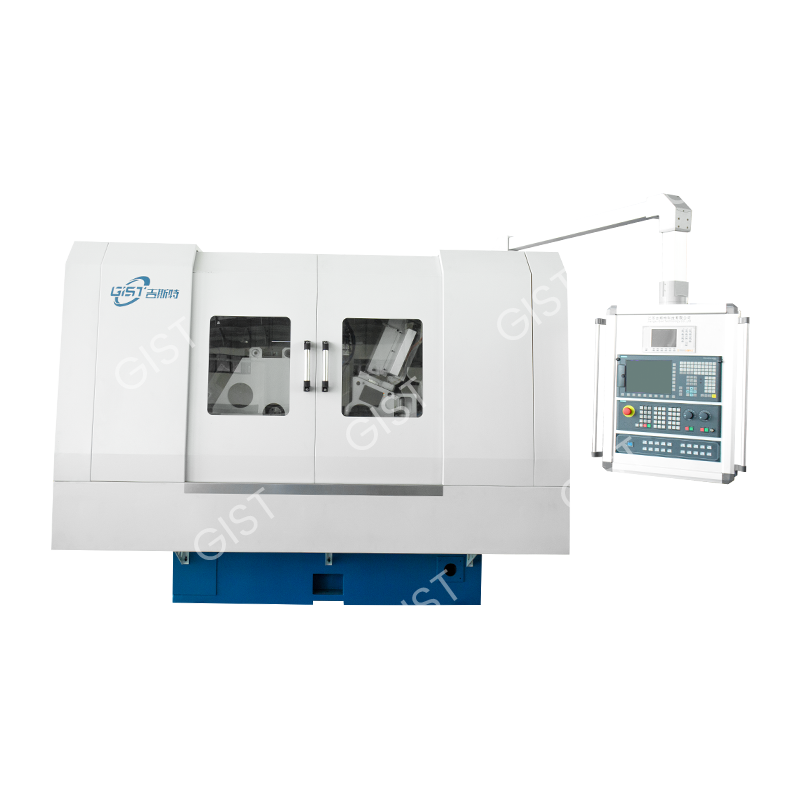
È utilizzato principalmente per la macinazione di precisione dei cerchi esterni di steli di ingresso del motore e valvola di scarico, cuscinetti e ...
Di più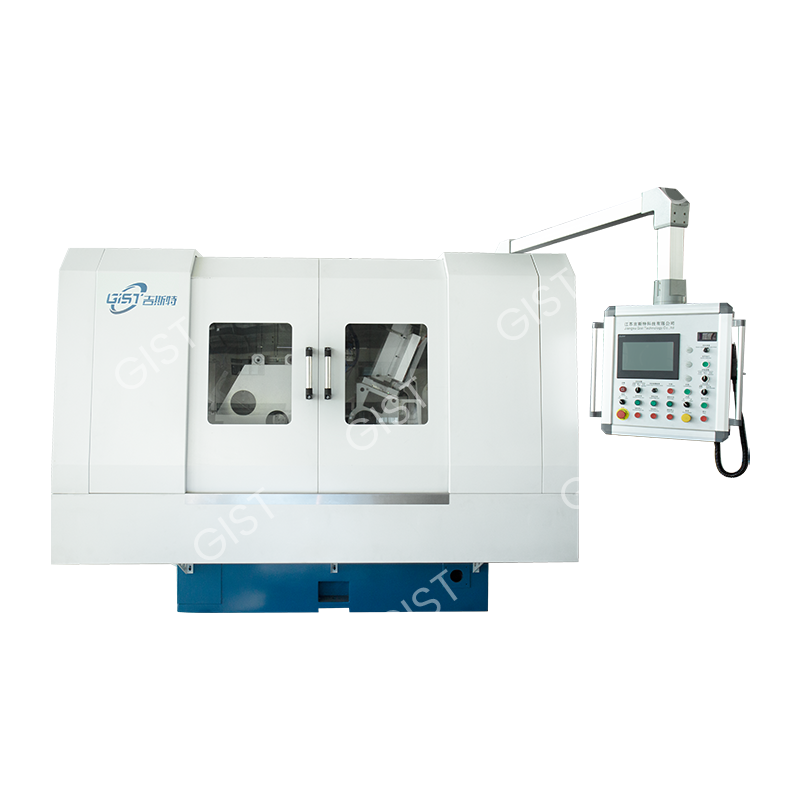
Categoria: Smerigliatrice senza cuore Panoramica del prodotto: La società ha superato la certificazione di vari sistemi come ISO9001...
Di più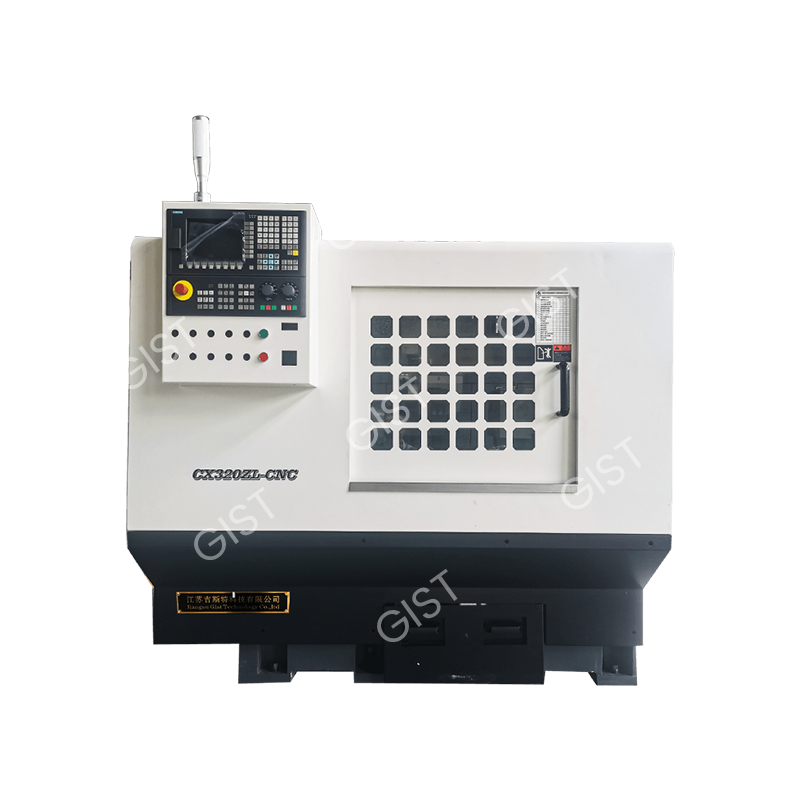
Categoria: Tornio CNC Panoramica del prodotto: La società ha superato la certificazione di vari sistemi come ISO9001: 2015 Sistema d...
Di più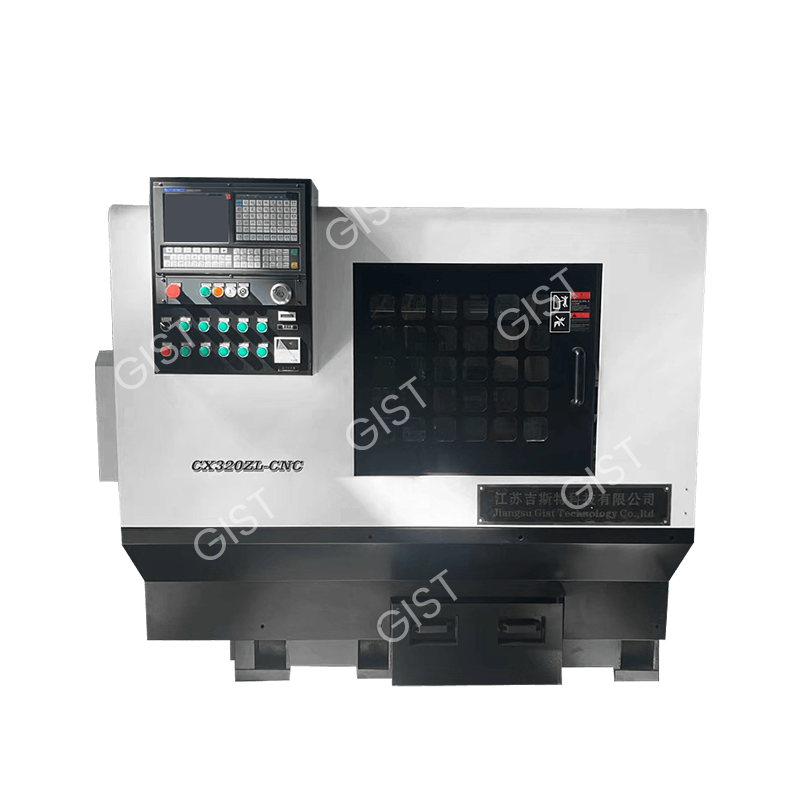
Categoria: Tornio CNC Panoramica del prodotto: La società ha superato la certificazione di vari sistemi come ISO9001: 2015 Sistema d...
Di più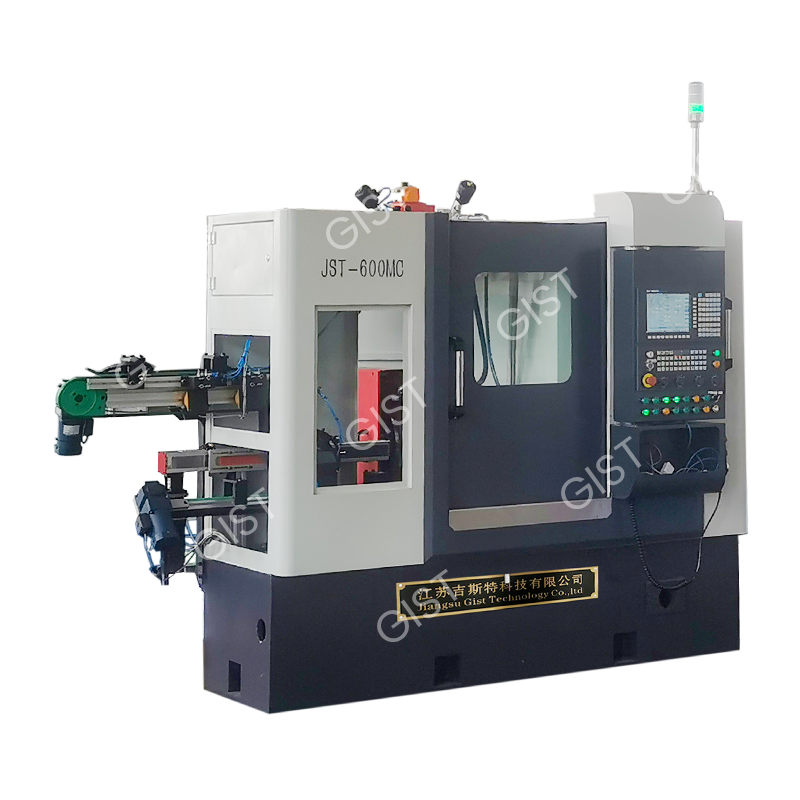
Categoria: SPRITURA VALVOLE CNC Panoramica del prodotto: La società ha superato la certificazione di vari sistemi come ISO9001: 2015...
Di più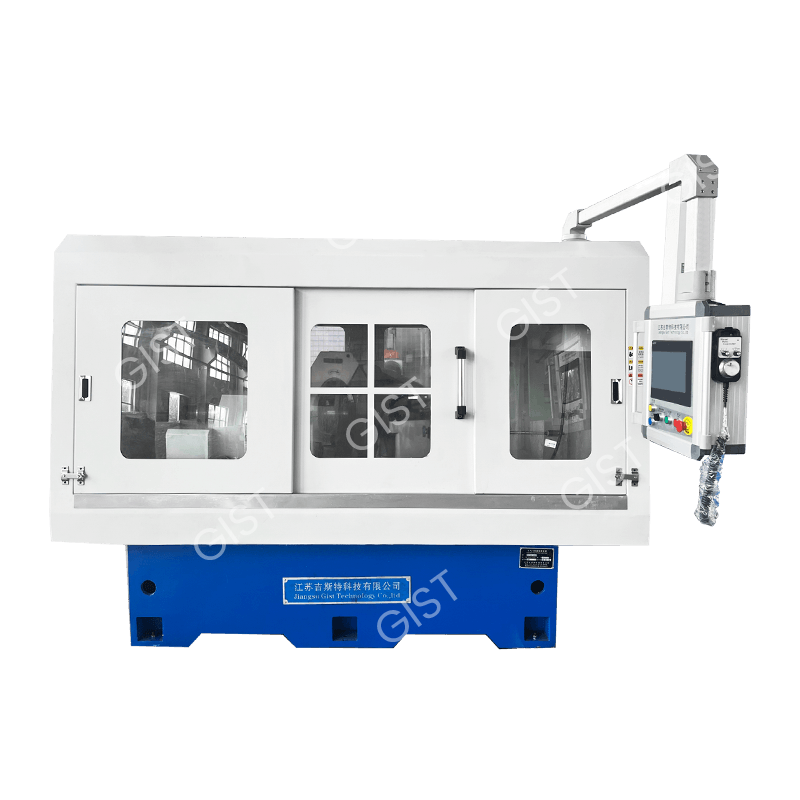
Categoria: SPRITURA VALVOLE CNC Panoramica del prodotto: La società ha superato la certificazione di vari sistemi come ISO9001: 2015...
Di più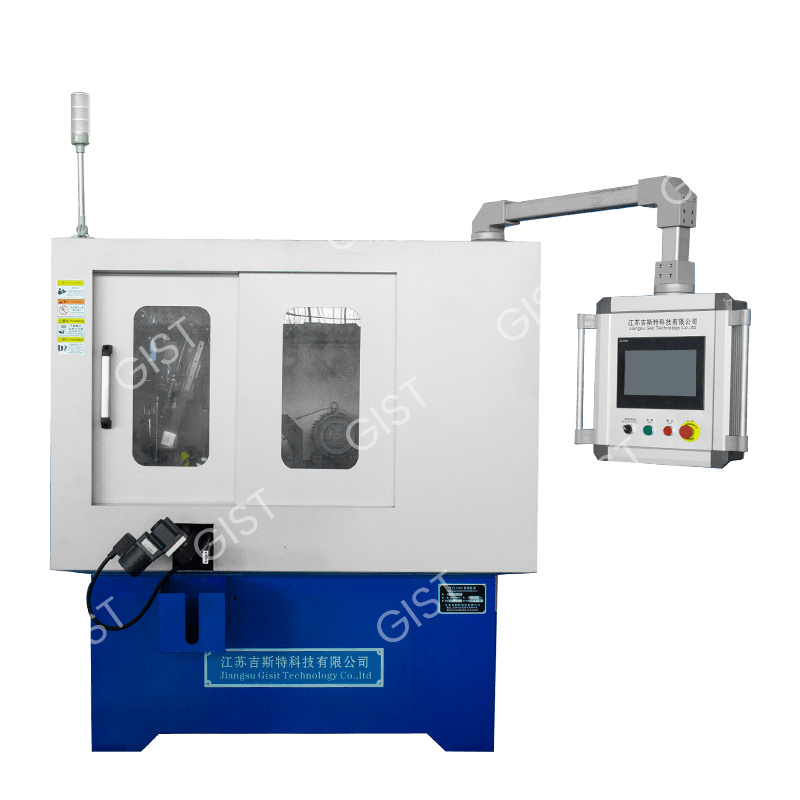
Categoria: Attrezzatura di lavorazione Panoramica del prodotto: La società ha superato la certificazione di vari sistemi come il sis...
Di più
Categoria: Attrezzatura di stampaggio vuoto della valvola Panoramica del prodotto: La società ha superato la certificazione di vari ...
Di più
Categoria: Prodotti ausiliari di produzione Panoramica del prodotto: La società ha superato la certificazione di vari sistemi come i...
Di più
 86-13584767515
86-0515-89500828
 N. 1, Area di concentrazione industriale, Wulie Town, Dongtai City, provincia di Jiangsu
Prodotto